The Active Super-Placebo
WHEN THE SCIENTIST tries to explain the psychosomatic phenomena of mind over matter they depict a magnetic zone into which the scientist cannot pass, but must only stand at the periphery, in lab coat and PPE, cautiously observing; the name they have given this magic zone is placebo.
Recent science papers afforded by the psychedelic renaissance, in their attempt to grapple with a region likewise remote from science, have doubled down on the magnetic void and named the psychedelic substance the active super-placebo. Such a claim is to admit, in effect, that the current model of brain science can’t account for the weird effects of the psychedelic substance.
The scientist is quick to note that his placebo claim has precedence in history for the anthropologist Claude Levi-Strauss declared early-on in the psychedelic era that the mushroom amplified “unconscious cultural discourse.” Not long afterwards this amplification would be further qualified by psychonaut Stan Grof as non-specific. The non-specific amplifier, in the form of a mushroom, amplifies whatever you happen to encounter, when in the journey, into the most meaningful thing of all time and that then remains “active” long after the trip has ended.
What remains highly peculiar to the scientist, as it should remain peculiar to us, is that much of the potency of the psychedelic substance is extra-pharmaceutical. The scientist is astonished by the fact that the effects of the super-placebo are concurrent long after all active traces of the substance have left the physiology. What remains salient and psychoactive post-journey is whatsoever had been amplified; even if that had been a forest at dusk, an Aphex Twin set, or the folds of trousers, as Aldous Huxley famously noticed; and which lead him to remark of the fabrics painted by El Greco: “traditional spirituality breaks down into a nameless physiological yearning.”

The Annunciation, 1603, El Greco
nameless physiological yearning
The scientist recognizes this nameless yearning but names it suggestibility.
This suggestibility, together with the long lasting non-chemical placebo effects of psychedelic experience seriously compromise the cognitive behavioral premise, upon which all of Big-Pharma is based, that imagines the brain as a system of chemical inputs and outputs (the brain in a vat) and that if you just put in the right chemical you change the output. An example of this foundational premise in action is that if I drink a coffee, containing the specific psychoactive stimulant caffeine, I immediately achieve a heightened sense of mental acuity, at least until the caffeine leaves my body—and which is why I always need another cup of coffee, and so I keep the coffee companies in business.
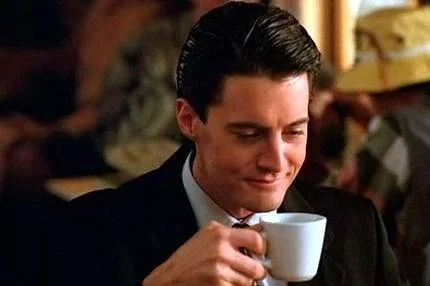
now that is a damn fine cup of coffee
By contrast to the specific psychoactive compound—like caffeine, Lexapro or OxyContin—the effects of the non-specific super-placebo requires no re-uptake to maintain; and this is why it is technically non-addictive and likewise why it can be used therapeutically (not to mention as a form of mind-control per MK Ultra). It weirdly effects the body and the mind, without having to be there. What remains psychoactive is the experience. Though science may be baffled by these test results, Jimi Hendrix was well aware of this psychoactive power when he asked in 1967 “Are You Experienced?”
What! does this mean that behavior and mood can be radically altered by the application of mere experience…!?
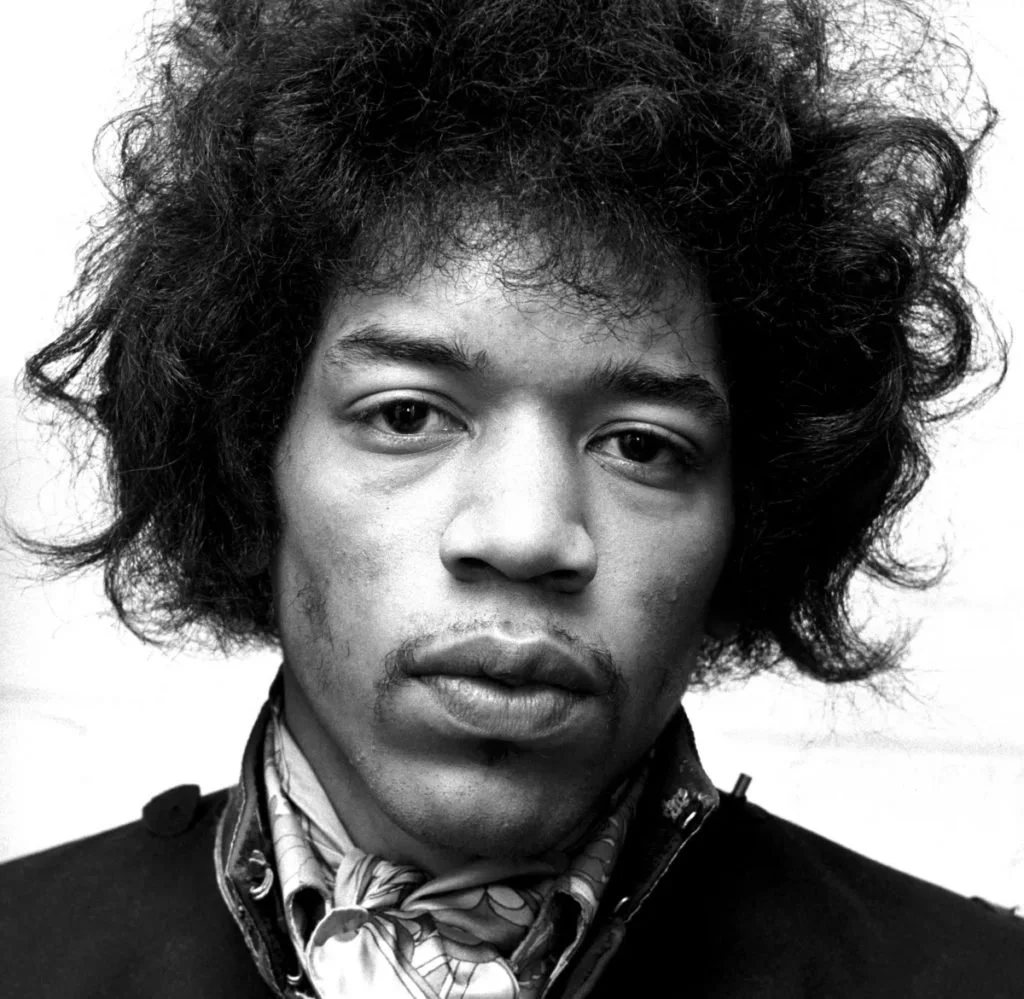
Are you experienced?
But if only we pan out and away from medicine we find that the zone of placebo is far more common and ubiquitous than the scientist will ever admit for it is the domain of unconscious desire itself. In the last instance love is the greatest of all non-specific amplifiers, as when you love someone compulsively for reasons that remain mysterious. There is no better expression of such helpless and unconditional love than Little Richard’s 1965 song, I Don’t Know What You Got, But It’s Got Me.
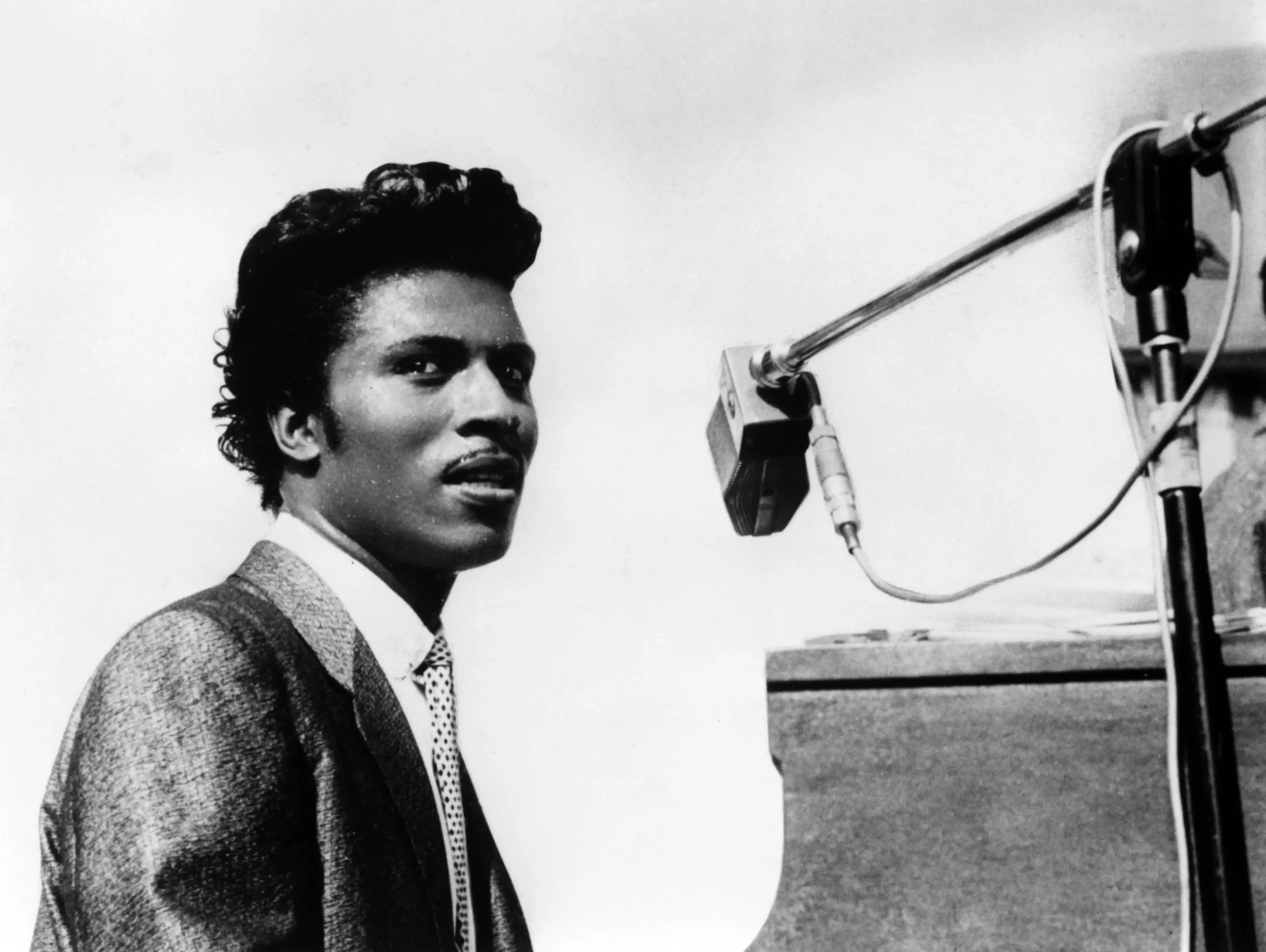
You have a Little Richard inside you
NOTE: The “non” in non-specific amplifier indicates the generic zone of placebo, or at least some element of foreclosure, past which rational discourse dare not go, ie the unconscious.
REGARDING CAFFEINE: because I am a life-long coffee drinker, the ritual is so ingrained in me that when I perform the same ritual, but now substituted with decaffeinated coffee, I do not notice any difference. Such is the power of ritual. And which begs the question: where does the zone of placebo begin and end, if at all?
A FUN FACT: one of Jimi Hendrix’s first gigs was playing lead guitar in Little Richard’s band. But it wasn’t meant to last: Little Richard fired Jimi Hendrix for upstaging him.