Living in the Age of Trance
One story of the west that certain far-seeing minds like to tell is broken into three chapters that phase into one another and that correspond to the chapters of human development. These are:
The age of magic, in which spirit lived in everything (the early childhood of the primitive ecstasies).
The age of religion, in which spirit is controlled (the late childhood identification with the parent).
The modern age of science in which, strictly speaking, there is no spirit (the mature adulthood in which instinctual pleasure has been given up before the demands of reality—has this happened yet?).
Keep in mind that this is a story, a mythology, likewise that it is a regional story pertaining only to those regions in which monotheism took hold. Perhaps it is the story of monotheism—monotheism’s hangover. As such, it is a story that is told about ourselves, and has little to do with whatever happened 3000 years ago.
The recent rise of an alternative history arguing persuasively in favor of the psychedelic eucharist—that is,theophagy,the ancient practice of eating the god (or eating the dad, per our mythology) and so getting totally ripped on god—offers a revision to this story: the archaic age of magic becomes the age of trance: the age of religion becomes the age of the institutional trance (placebo trance); and in the age of science there is no trance, or the trance is severely prohibited and denigrated.
But it is a prohibition that only adds heat to the fire. Obviously human persons are getting into trance-states all the time these days (as they always have been) and on who-knows-what kind of crazy-ass substances and techniques, but, as we all know, the great god Pan is dead and so, for those who have not been to there (and for even some who have), where once the trance had glamour and spiritual cred, now it is mere inebriation. I think this ice is probably melting, if weed legalization and the psychedelic renaissance is any indication. What will happen when the trance is freely given? To further complicate matters, with the advent of psychoanalysis, we are beginning to understand that trauma, too, is a trance-state.
Setting these themes momentarily aside, follow me along in a thought experiment as we invert this old story inside-out: what if the trance had been all along the status-quo sober mental-state; the neat story that an individual and a society tells about itself and assumes, ipso facto, to be reality even though it’s just a story. And what if certain altered-states of the baroque trance, whether induced by technique or trauma, can strip away the resonant fantasies of everyday-life and offer a vision beyond habitual reality?What had once been the trance, now becomes a vortex that leads below the frenetic media trance that is our common lot. Precisely what these vortices may reveal is that what you thought had been reality is, in reality, a trance. Some trances are better than others—like for example, those ones where you do not feel the need to harm other people. Would this not imply that the real age of trance is the televisual age that we all happen to live in?
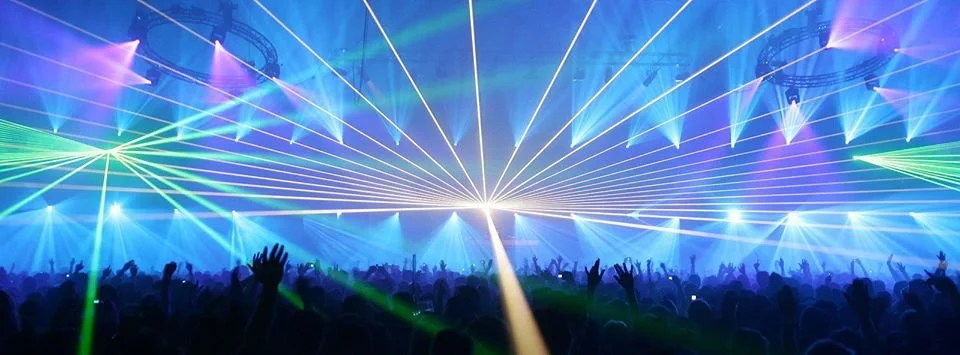
ambient psy-trance
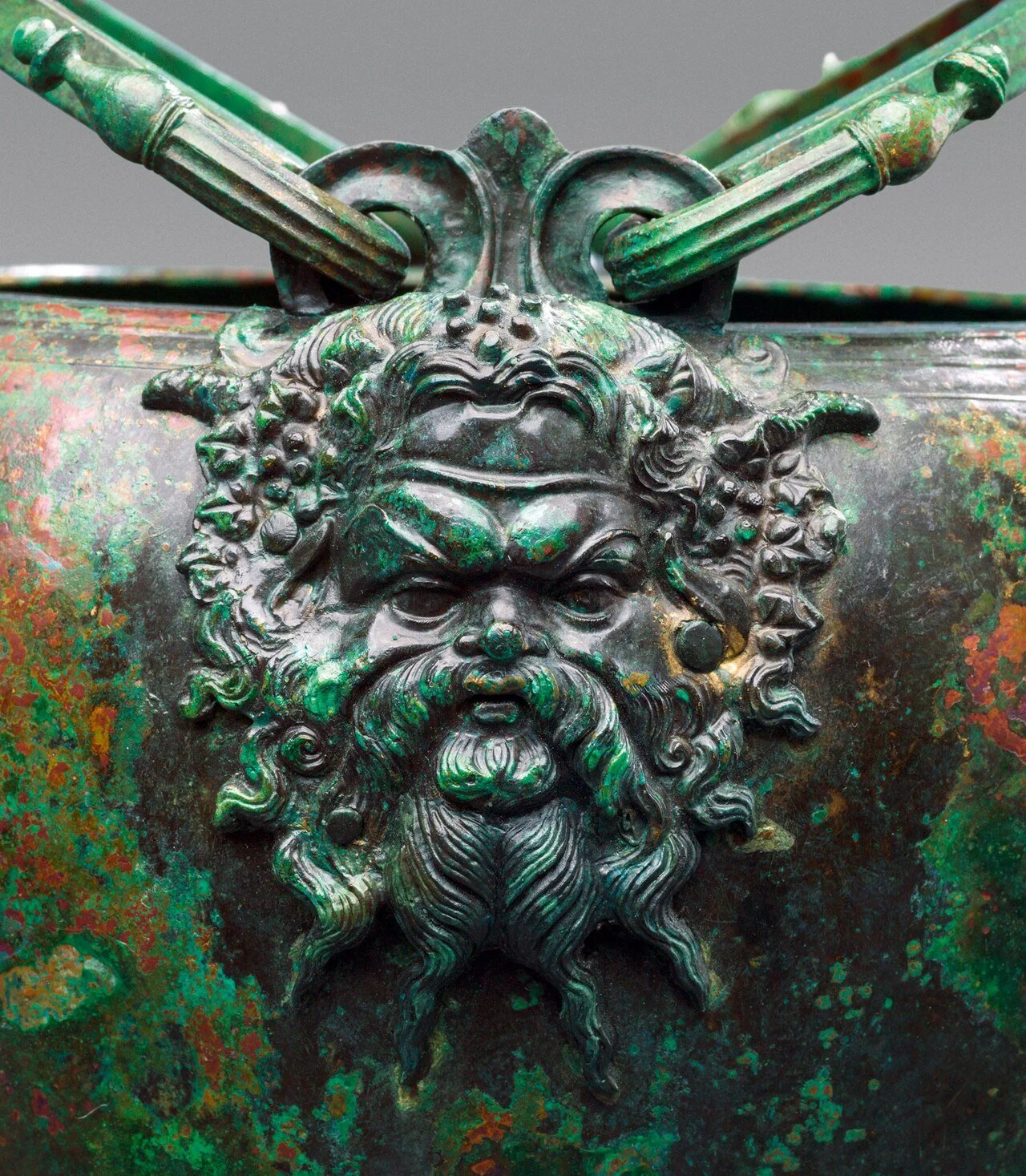
The Great God Pan, 340-320 BCE
Note: I tend to agree with David Graeber’s statement that there never was a west; that the so-called western tradition is a hegemonic fiction. The “west,” when name checked here in scare quotes, includes this notion of hegemony and of fiction. Again, the story above is a story of monotheism, perhaps even that particular monotheism where god is a father.